
Driving in El Salvador: The Ultimate Tourist Safety Guide for 2026
Is it safe? What are the roads like? Do I need an international license?
If you are planning a trip to the «Land of Volcanoes,» these are likely the first questions on your mind. Driving in El Salvador is the absolute best way to discover the country’s hidden gems, from the surf breaks of El Zonte to the mountain towns of the Ruta de las Flores. But for a first-time visitor, navigating Central American roads can feel intimidating.
The good news? El Salvador has some of the best highways in the region, and with the right preparation, a road trip here is an unforgettable adventure.
In this ultimate guide, we break down everything you need to know about safety, road conditions, and local rules to drive with total confidence in 2026.
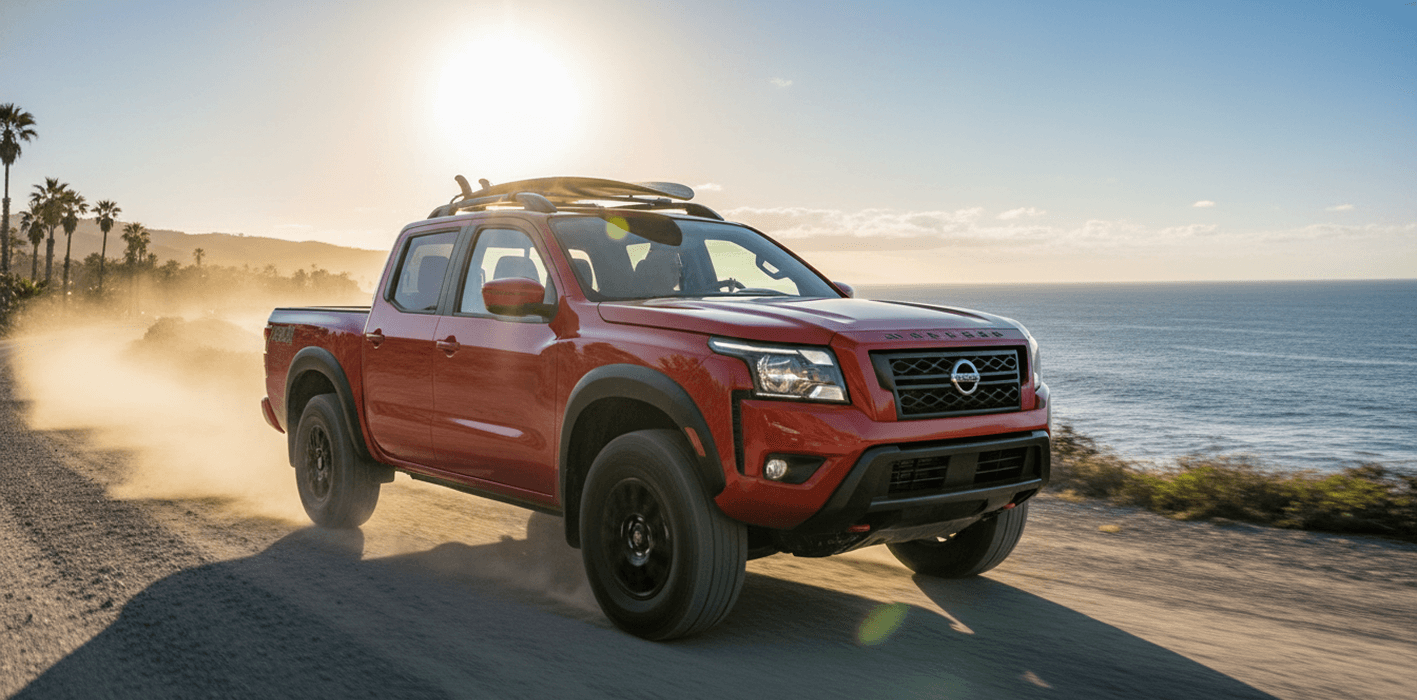
1. Is Driving in El Salvador Safe for Tourists?
The short answer is: Yes.
El Salvador has undergone a massive transformation in safety over the last few years. The coastal regions (Surf City), major highways, and tourist towns are heavily patrolled and safe for travelers. However, like driving in any foreign country, defensive driving is key.
While security is no longer the primary concern, traffic can be chaotic. Local drivers can be aggressive, and turn signals are often «optional.» The key to driving in El Salvador safely is to stay alert, keep a safe distance, and flow with traffic rather than fighting it.
2. Road Conditions: Highways vs. «Off-Road»
El Salvador offers a mix of modern infrastructure and rustic paths. Knowing where you are going determines the car you need.
-
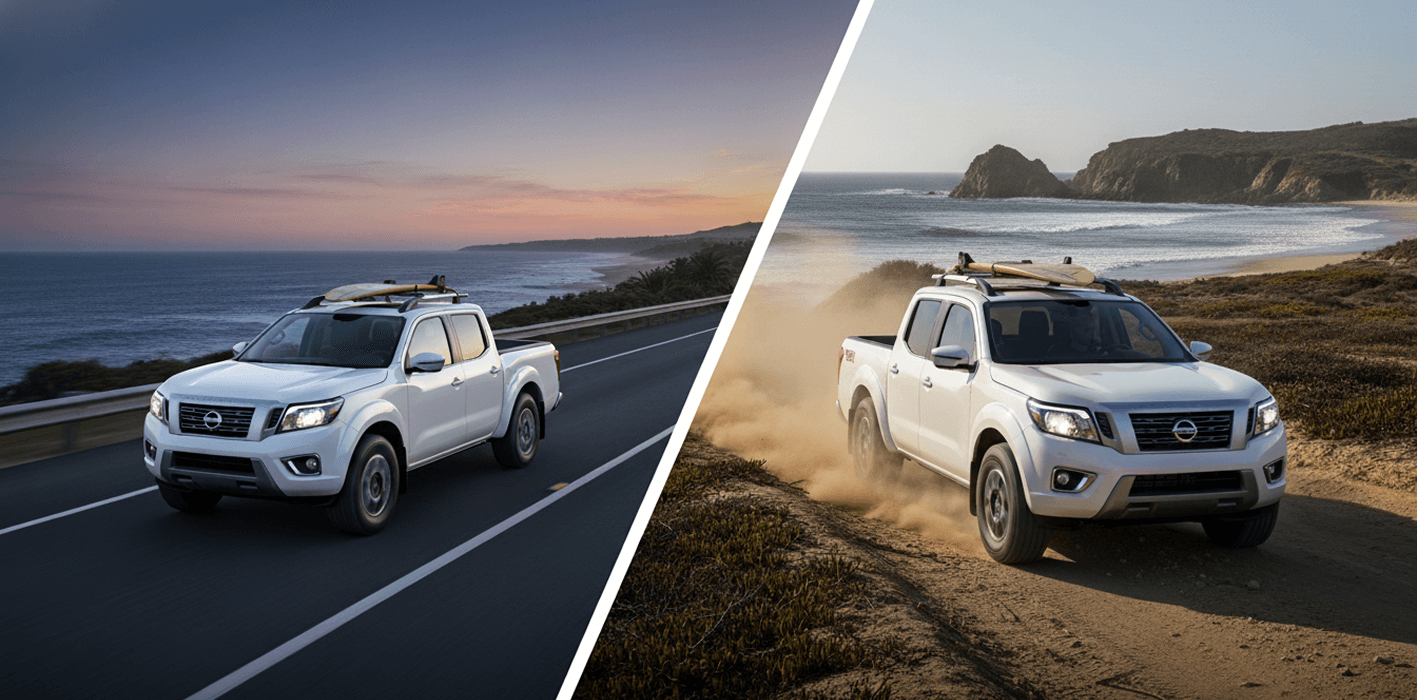
The Highways: Major roads like the Carretera del Litoral (Coastal Highway) and the road from the Airport (SAL) to San Salvador are paved, smooth, and well-maintained. A standard economy car or sedan handles these perfectly.
-
The Towns: Streets in surf towns like El Tunco or El Zonte can be narrow, sometimes unpaved, and dotted with speed bumps (túmulos).
-
The Adventure Roads: If you plan to chase secret waves or explore remote mountain areas, you will encounter dirt roads, steep inclines, and potholes. For these trips, renting a 4×4 or a High-Clearance SUV is not just a luxury; it’s a necessity to avoid getting stuck or damaging the vehicle.
3. Essential Driving Rules & Requirements
Before you get behind the wheel, make sure you have your paperwork in order.
-
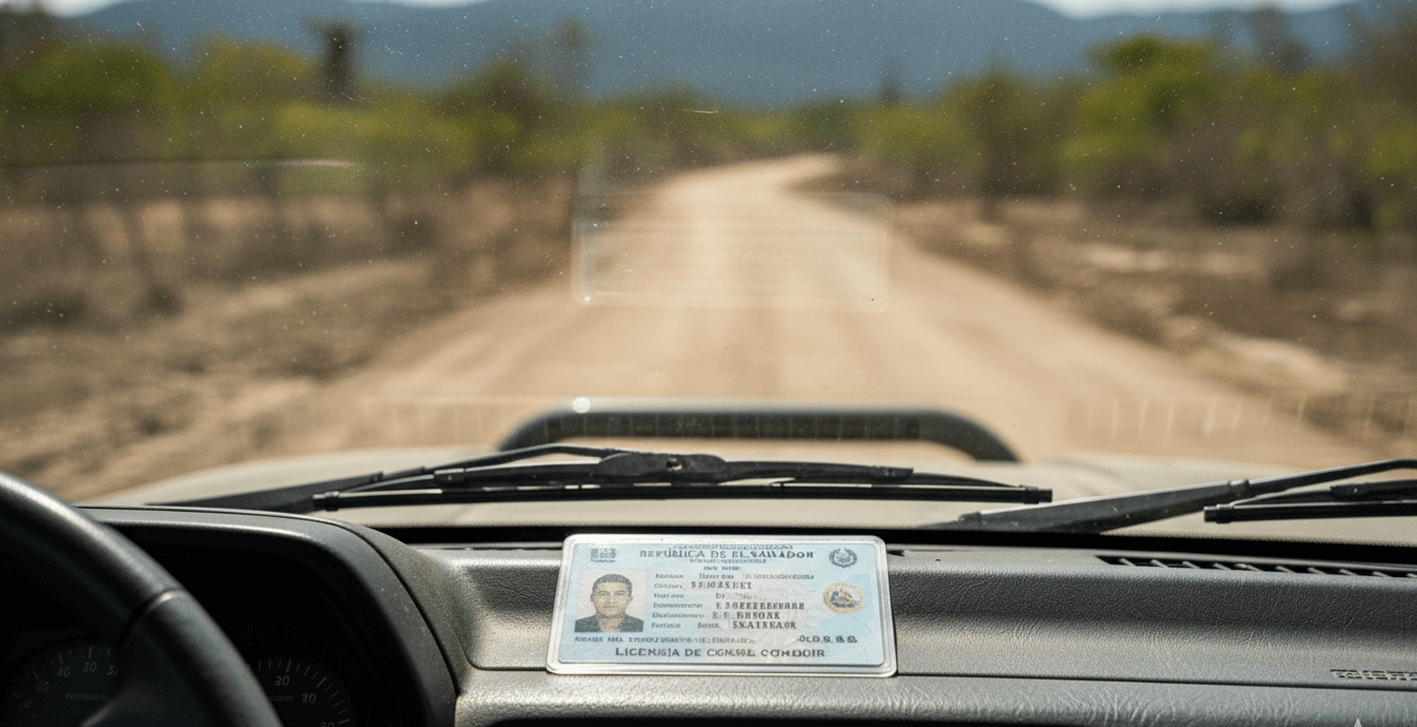
License: You do not need an International Driving Permit (IDP) for a tourist stay (usually up to 90 days). Your valid driver’s license from your home country (USA, Canada, Europe, etc.) is perfectly legal.
-
Passport: Always carry a copy of your passport (and the entry stamp page) while driving.
-
Speed Limits: Limits are in Kilometers per Hour (km/h). They are strictly enforced by police with radar guns, especially on highways.
-
Seatbelts: Mandatory for all passengers.
4. Navigating Police Checkpoints («Retenes»)
It is very common to see police checkpoints on major roads. Do not be alarmed; this is standard procedure for safety.
What to do if you are stopped:
-
Slow down and stop if the officer waves you over.
-
Roll down your window, turn on the interior light (if it’s night), and keep your hands visible.
- Be polite and calm. Say «Hola» or «Buenas tardes.»
- Present your Driver’s License and Car Rental Agreement when asked.
-
In most cases, they just check your documents and wave you through.
Pro Tip: Renting from a reputable local agency like Beach Life Rent a Car ensures your vehicle has all the updated registration cards and insurance documents needed to pass these checks smoothly.
5. Top 5 Tips for a Stress-Free Road Trip
To master driving in El Salvador, follow these local rules of thumb:
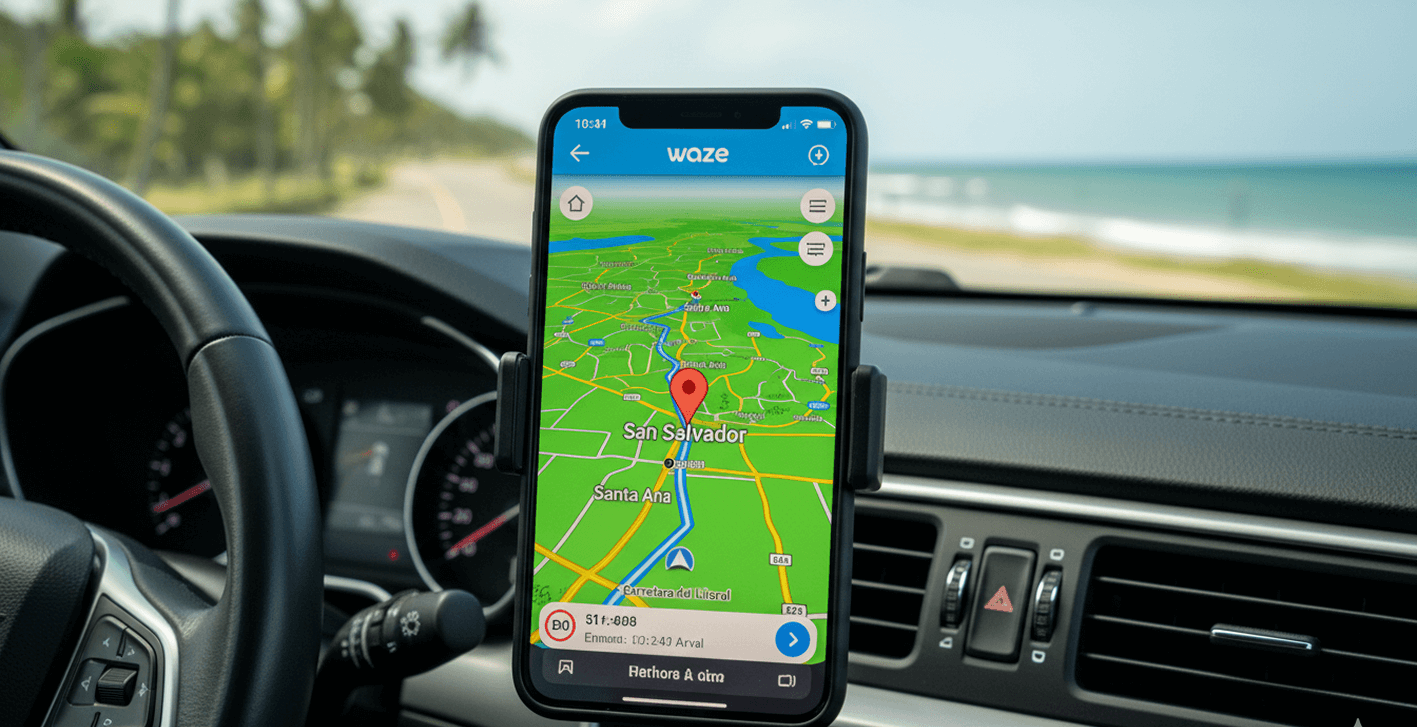
1. Use Waze (Not Just Maps): Waze is the king of navigation here. It alerts you to police, accidents, and heavy traffic in real-time better than Google Maps.
2. Avoid Night Driving: Potholes, pedestrians, and stray dogs are hard to see at night. Plan your drives to arrive before sunset.
3. Watch for «Túmulos»: Speed bumps are everywhere, even on highways near towns. They are often unmarked. Keep your eyes on the road!
4. Gas Stations: Full-service gas stations are plentiful. Attendants will pump the gas for you; a small tip ($0.25 – $0.50) is appreciated but not mandatory.
5. Book Your Car in Advance: The best vehicles (especially 4x4s) sell out weeks ahead during peak surf seasons.
Start Your Trip the Right Way
Driving in El Salvador gives you the freedom to explore at your own pace, chasing the swell and the sunsets. Don’t limit yourself to a hotel shuttle.
At Beach Life Rent a Car, we specialize in helping tourists navigate our beautiful country safely. We offer 24/7 English support, comprehensive insurance options, and a fleet of reliable SUVs and 4x4s perfect for the local terrain.
Ready to hit the road? Browse our fleet and book your vehicle today for pickup at El Salvador Airport (SAL) or El Zonte.